The Science of Apricot Scrub in Skincare: Evidence-Based Analysis
- beauty150
- Dec 7, 2025
- 4 min read

Physical exfoliation has been a cornerstone of skincare for centuries, and apricot kernel shell powder remains one of the most recognizable—and controversial—exfoliating agents in modern formulations. Based on the popularity and controversy, I went on a search for the truth and evidence-based guidance on whether these tiny little grains are friend or foe.
What is Apricot Scrub?
Apricot scrub refers to finely ground apricot kernel shells (Prunus armeniaca seed powder) as a physical exfoliating agent in skincare. The kernels are processed into particles of varying sizes—typically ranging from 200 to 800 microns—to manually remove dead surface skin cells through mechanical abrasion.
The Science of Physical Exfoliation
Stratum Corneum Turnover
The outermost layer of skin, the stratum corneum, consists of dead corneocytes held together by lipid bilayers. Under normal conditions, these cells shed naturally through a process called desquamation, with complete turnover occurring approximately every 28 days in young adults-though this slows significantly with age.[1][2]
Physical exfoliation accelerates this process by:
Mechanically dislodging loosely bound corneocytes
Reducing stratum corneum thickness through controlled abrasion
Stimulating underlying keratinocyte proliferation as a wound-healing response
Temporarily improving light reflection for a "glow" effect
Particle Morphology Matters

The efficacy and safety of any physical exfoliant depends heavily on particle characteristics:
Shape: Apricot shell particles are naturally angular and irregular, unlike synthetic spherical beads (jojoba esters). This irregular morphology increases surface contact area but also raises the potential for micro-trauma.
Size distribution: Commercial apricot powders vary widely. Finer particles (200–400 µm) provide gentler exfoliation suitable for facial use, while coarser grades (600–800 µm) are reserved for body products or intensive treatments.
Hardness: Apricot shells score approximately 2.5–3.0 on the Mohs hardness scale—harder than skin but softer than many synthetic abrasives.
Mechanism of Action: How Apricot Scrubs Work
1. Mechanical Abrasion
When massaged onto damp skin, apricot particles create controlled micro-abrasion:
Immediate effect: Physical removal of superficial corneocytes, sebum, and surface debris
Depth of action: Limited to the uppermost 1–3 cell layers of the stratum corneum when used with appropriate pressure
Perceived benefit: Smoother texture, improved product penetration, reduced dullness
2. Microbiome Impact
Physical exfoliation affects the skin microbiome by:
Reducing bacterial load on the skin surface
Temporarily disrupting biofilm formation in pores
Creating a more uniform environment for beneficial microorganisms to recolonize
3. Barrier Function Considerations
The stratum corneum serves as the primary permeability barrier. Over-exfoliation can compromise this barrier by:
Clinical Evidence: Benefits and Limitations
Demonstrated Benefits
Texture improvement: Multiple studies confirm that regular physical exfoliation (1–3× weekly) produces measurable improvements in skin smoothness.
Enhanced penetration: Stratum corneum thinning increases the penetration of topical actives, including:
Retinoids (improved delivery to viable epidermis)
Vitamin C derivatives
Peptides and growth factors
Moisturizing humectants
Acne management: For non-inflammatory comedonal acne, physical exfoliation can help prevent microcomedone formation by keeping follicular openings clear—though chemical exfoliants (salicylic acid) are generally preferred.
Post-inflammatory hyperpigmentation (PIH): By accelerating cell turnover, physical exfoliation can modestly reduce the appearance of surface PIH, though results are inferior to chemical treatments (hydroquinone, kojic acid, AHAs).
Limitations and Risks
Micro-tears and inflammation: The irregular particle morphology of apricot shells can create microscopic tears in the epidermis, particularly when:
Excessive pressure is applied
Product is used on compromised or inflamed skin
Particle size is too coarse for facial application
Frequency exceeds skin's repair capacity
Not suitable for all skin types:
Contraindicated: Active acne (inflammatory lesions), rosacea, eczema, psoriasis, recent procedures (peels, laser, microneedling)
Use with caution: Sensitive skin, thin skin, darker skin tones prone to PIH
Generally safe: Normal to oily skin, keratosis pilaris (body), thick plantar skin
Environmental concerns: While natural, apricot shells are not biodegradable in the same timeframe as the product washoff, and their irregular shape means they don't break down as readily as spherical alternatives.
The St. Ives Controversy: What the Lawsuit Revealed
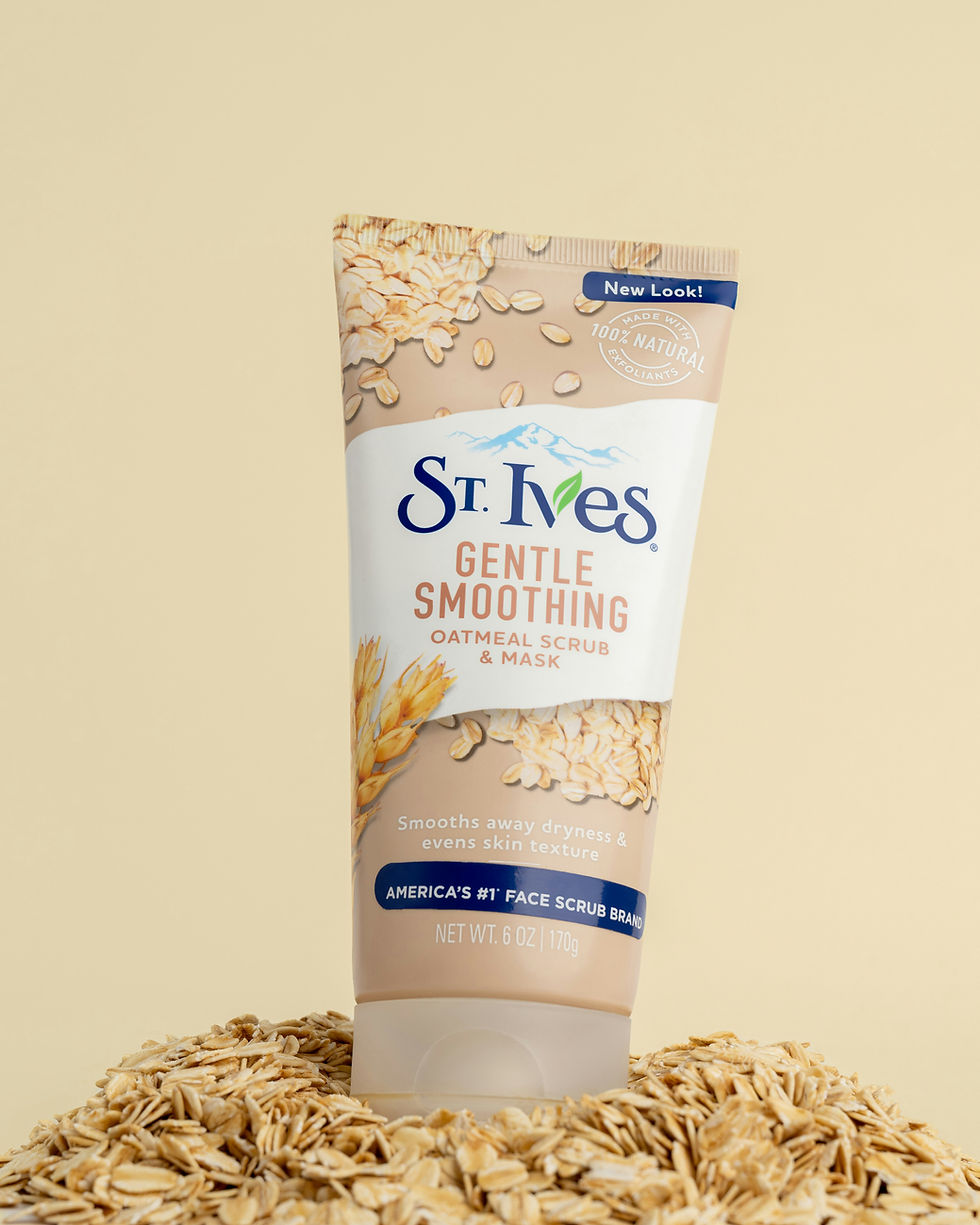
In 2016, a class-action lawsuit against St. Ives (Unilever) alleged that the popular apricot scrub caused skin damage due to its crushed walnut shell fragments.[3][4] While the case was ultimately dismissed, it sparked important discussions:
Key Takeaways from the Controversy
Particle size matters: The lawsuit highlighted that products marketed for facial use should use appropriately sized particles (≤ 400 µm recommended).
User technique is critical: Much of the reported "damage" stemmed from improper use-excessive pressure, daily use, application to active breakouts.[5]
Individual variation: What works for resilient, thick skin may be damaging for sensitive or compromised skin.
Marketing vs. reality: Claims of "deep cleansing" or "deep exfoliation" can mislead consumers into over-use.
Safety Callouts
Always include usage instructions:
Apply to damp (not dry) skin
Use gentle circular motions—no pressure required
Limit to 30–60 seconds
Rinse thoroughly
Red flags to stop use:
Persistent redness lasting > 30 minutes post-use
Stinging or burning sensation
Increased breakouts
Flaking or excessive dryness
Sensitivity to usual products
Conclusion: Balanced Perspective for Science-Based Formulation
Apricot scrub, when formulated with appropriate particle sizing and used correctly, remains a viable exfoliation option for suitable skin types. The key considerations are:
The controversy surrounding apricot scrubs is less about the ingredient itself and more about particle size, formulation quality, and user education. When these factors align, apricot shell powder can safely deliver the immediate gratification of physical exfoliation that many consumers seek.
As with all cosmetic actives, the dose—and in this case, the particle size and application technique—makes the difference between benefit and harm.


Comments